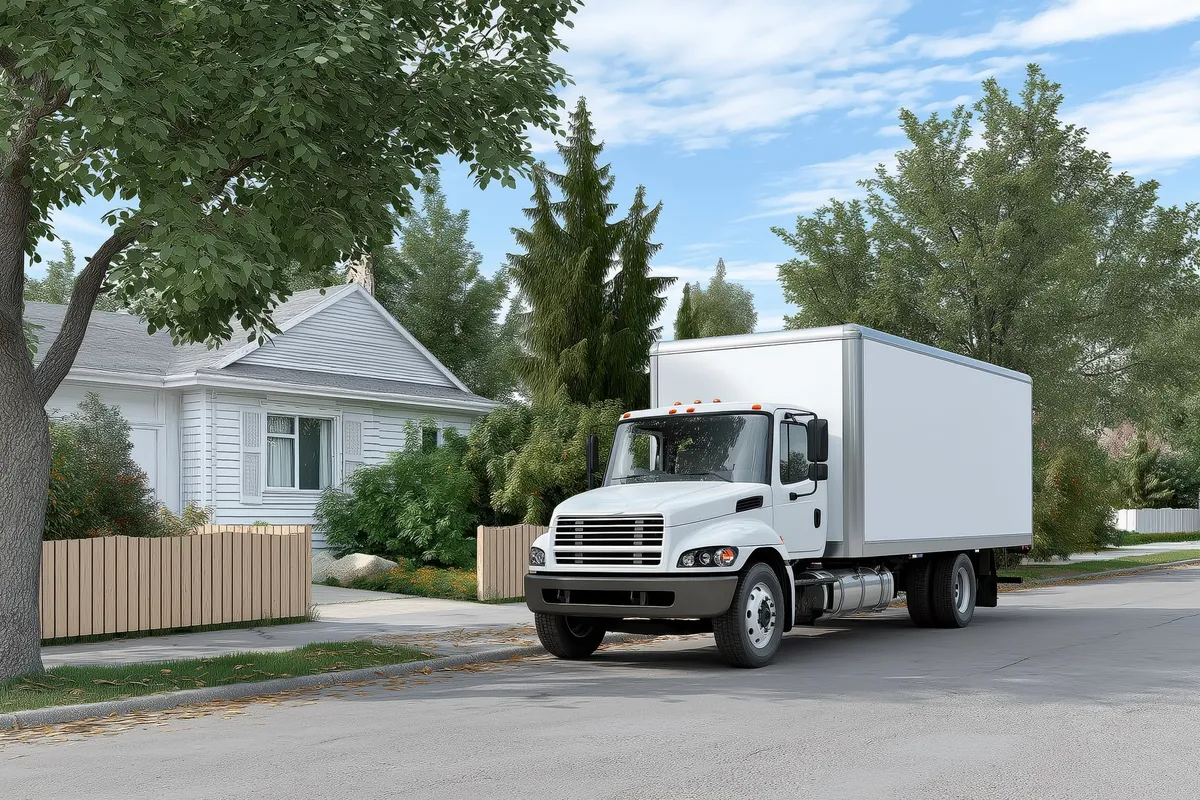

If you’ve started getting quotes from a moving company Tucson residents rely on, you’ve probably already noticed something: the prices can vary wildly. One company quotes you $300, another comes in at $900 for what sounds like the same job. That gap isn’t random, it reflects real differences in service, experience, and what’s actually included. Before you sign anything or hand over a deposit, here’s what you actually need to know about how local movers price their work and where your money goes.

Why Two Quotes for the Same Move Can Look Nothing Alike
The biggest source of confusion for people planning a move is the difference between an hourly rate and a flat rate, and knowing which one works in your favor.
Hourly pricing is common for smaller, local moves. You pay for the crew and the truck by the hour, usually with a two-hour minimum. That sounds simple, but the final bill depends on how fast the crew works, how many flights of stairs are involved, how far apart the locations are, and how well you’ve prepped. A disorganized move with boxes not yet taped shut can easily turn a three-hour job into five.
Flat-rate pricing gives you a set number up front based on an inventory of your belongings. It’s predictable, which most people prefer, but only if the inventory is accurate. Leave out the garage full of tools or the treadmill in the spare room, and you’ll likely face add-on charges on moving day.
A good way to protect yourself is to get a binding estimate in writing. That locks in the price as long as the scope of the move doesn’t change. If a company won’t offer one, that’s worth paying attention to. You can also check out this breakdown of the cost of moving in Tucson to get a clearer sense of what’s reasonable for different types of jobs.
The Hidden Costs That Catch People Off Guard
The base rate is just the starting point. Tucson has some specific quirks that can push a moving bill higher than expected, and most people don’t find out until moving day.
Long carry fees come into play when movers have to haul your belongings a significant distance from the truck to your door, think long driveways, gated communities, or apartment complexes where the truck can’t park close. This is especially common in neighborhoods like Catalina Foothills or certain parts of Oro Valley where homes sit on larger lots with winding paths.
Stair fees are standard at many companies. If you’re moving into or out of a second or third-floor apartment, expect a surcharge per flight. If you’re relocating from an apartment and haven’t budgeted for this, it can be a surprise. Our guide on apartment moving in Tucson covers what to watch for in those situations.
Specialty item fees are another common add-on. Pianos, gun safes, large sectional sofas, and antique furniture all require extra care and sometimes additional equipment. Companies that handle heavy item moving will typically quote these separately, and for good reason, moving a 700-pound safe is a completely different job than moving a dresser.
Tucson’s heat also plays a role. Summer moves, especially anything scheduled between 10 a.m. and 3 p.m. from June through September, can slow things down simply because crews need more breaks and materials like tape and wrap behave differently in extreme temperatures. Scheduling your move early in the morning isn’t just a comfort preference; it can genuinely affect how long the job takes.

What Separates a Cheap Quote from a Good Deal
Low prices are appealing, but they often signal something worth scrutinizing. Companies that quote significantly below the local average are usually cutting corners somewhere, whether that’s on insurance coverage, crew training, or the condition of their equipment.
Ask every company you’re considering these three things: Are your movers employees or day laborers? What liability coverage do you carry? Do you have a physical address in Tucson?
A crew of trained, full-time employees is going to handle your furniture differently than someone hired off a gig app that morning. Many customers who’ve worked with established local movers in Tucson mention the same thing, the peace of mind that comes from knowing the people carrying their belongings actually know what they’re doing. That experience shows up in how items are wrapped, how the truck is loaded, and how efficiently the whole job runs.
It’s also worth reading through common missteps people make when hiring movers in Tucson before you commit to anyone. Some of the most costly mistakes happen before the truck even shows up.
Timing, Flexibility, and Where You Can Actually Save
If your move date has any flexibility, use it. Weekends and the first and last days of the month are peak times for movers, demand is high, and rates often reflect that. Mid-week moves in the middle of the month tend to be less expensive and easier to schedule on short notice.
Summer is the busiest season in Tucson, driven largely by University of Arizona students relocating between semesters. If you’re moving in May, June, or August, book early. Waiting until two weeks before your move date in peak season can leave you with limited options and higher prices.
Discounts do exist. Some companies offer moving coupons or reduced rates for seniors, military families, or off-peak bookings. It never hurts to ask directly, many companies won’t advertise these but will apply them if you bring it up.
The bottom line is that the cheapest quote rarely ends up being the cheapest move once everything is factored in. A company with transparent pricing, real insurance, and a local track record is almost always worth a few extra dollars per hour. In a city like Tucson, where neighborhoods range from dense downtown apartments to sprawling foothills estates, you want movers who know the terrain, not just the rate sheet.
Frequently Asked Questions
How do I know whether to choose hourly or flat-rate pricing for my Tucson move?
If your inventory is straightforward and you can list every item accurately, a flat-rate binding estimate gives you predictable costs and protects you from surprises on moving day. Hourly pricing can work in your favor for a small, well-organized move, but if your boxes aren’t packed and taped before the crew arrives, a three-hour job can easily stretch to five hours and cost you significantly more.
What kinds of extra charges should I watch for that won’t show up in my initial quote?
Long carry fees, stair fees, and specialty item charges are the most common add-ons that catch people off guard, none of these are typically included in a base rate. If you live in a neighborhood like Catalina Foothills where the truck can’t park close to the door, or if you’re moving a piano or a gun safe, expect those to be quoted separately.
Does it actually matter what time of day I schedule my summer move in Tucson?
Yes, scheduling early in the morning rather than between 10 a.m. and 3 p.m. from June through September can directly affect how long your move takes, because crews need more breaks in extreme heat and materials like tape and wrap don’t perform as well. A longer job means a higher bill if you’re on hourly pricing, so the timing choice is a practical cost decision, not just a comfort one.
What three questions should I ask before hiring any local moving crew?
Ask whether their movers are full-time employees or day laborers, what liability coverage they carry, and whether they have a physical address in Tucson. These three questions will tell you more about the actual quality of a company than the price on their quote sheet.
When is the cheapest time to book a move in Tucson, and how much does timing really affect price?
Mid-week moves in the middle of the month are consistently less expensive and easier to book on short notice than weekend or end-of-month slots. May, June, and August are the busiest months because of University of Arizona students moving between semesters, so waiting until two weeks out during those months can leave you with fewer options and higher rates.
Get Directions to Tucson Moving Service
🎧 Listen to this as a podcast
Also on Apple Podcasts, Spotify, and Amazon Music.