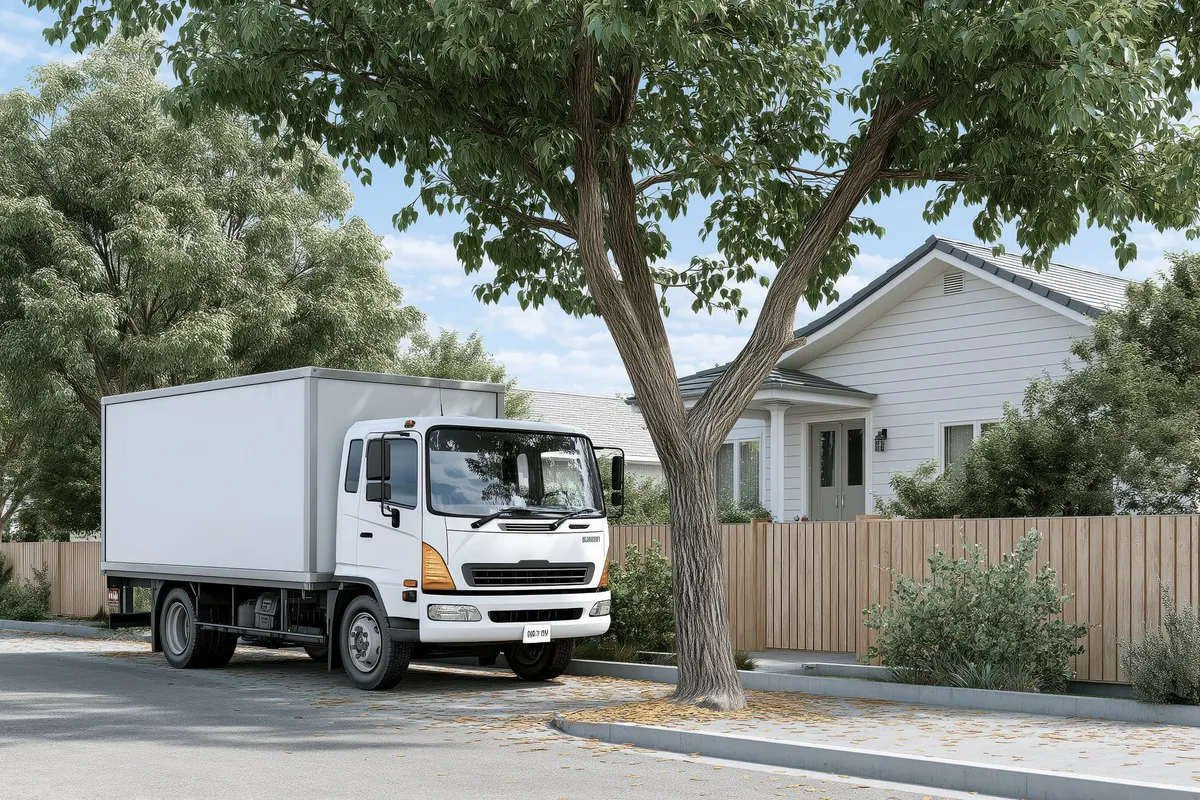
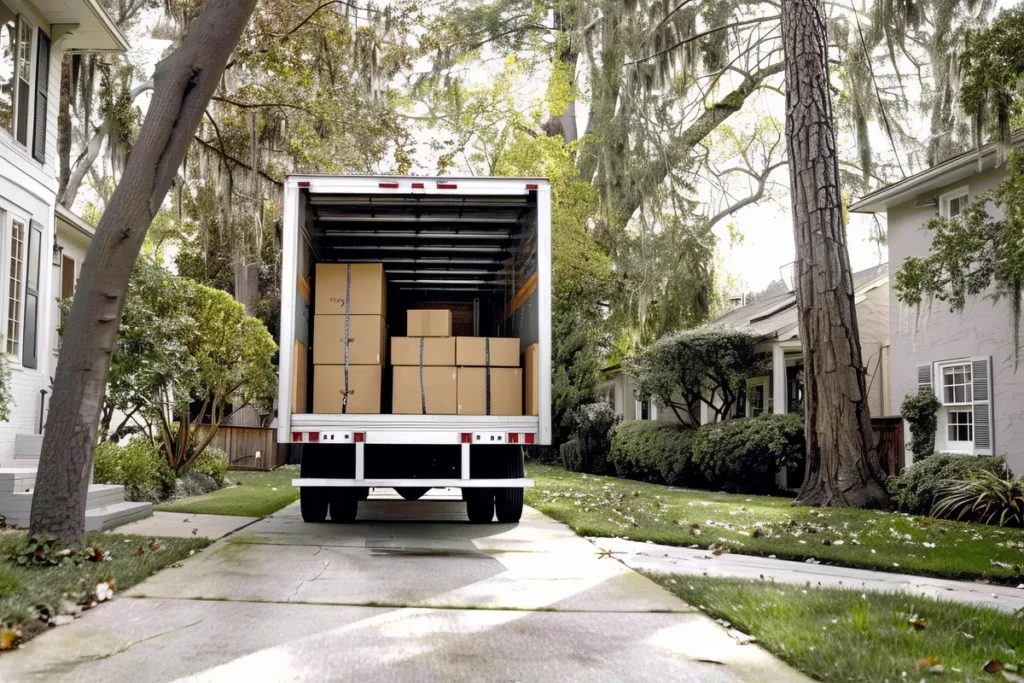
After two decades of watching people plan moves in this city, the patterns are impossible to ignore. Hiring movers in Tucson, AZ sounds straightforward, you call a company, they show up, they move your stuff. But the gap between a smooth move and a stressful one almost always comes down to a handful of things most people never think about until it’s too late. Here’s what the experienced side of this industry actually looks like.
Tucson’s Heat Is Not Just an Inconvenience, It’s a Logistics Problem
Most people think about the weather on moving day as a comfort issue. Veterans in this business think about it as a planning issue. When temperatures push past 105°F in June, July, and August, everything changes. Wood furniture can warp if it sits on a hot truck for too long. Electronics need to be the last items loaded and the first items unloaded. Candles, vinyl records, certain medications, and even some artwork can be damaged beyond repair if they spend an hour in a sweltering cargo area.
Experienced local crews know to schedule the heavy lifting for early morning, keep the truck shaded when possible, and prioritize temperature-sensitive items. That’s not something you’ll read in a standard moving checklist. It’s the kind of knowledge that only comes from doing this work in the Sonoran Desert for years. If you’re hiring a crew that’s new to the region or doesn’t ask about your belongings before moving day, that’s a red flag worth paying attention to.
The flip side is Tucson’s monsoon season, roughly July through September. A crew that doesn’t have a plan for sudden afternoon downpours, plastic wrap for furniture, waterproof padding, a clear protocol for pausing the move, is a crew that’s going to cost you money.
The Neighborhoods Here Are More Complicated Than They Look on a Map
Tucson isn’t a city where every neighborhood looks the same. A move from a mid-century ranch home near the university is completely different from relocating to a newer development in Marana or a gated community in Oro Valley. Driveway grades, narrow streets, HOA restrictions on moving hours, elevator access in apartment buildings, and the sheer distance between neighborhoods all affect how a move gets planned and priced.
A veteran mover does a proper assessment before quoting. They ask about parking, stairwells, long carries from the truck to the front door, and whether there are any items that require special handling, a piano, a gun safe, a piece of antique furniture that can’t be disassembled. If a company gives you a firm price over the phone without asking any of those questions, the quote is almost certainly going to change on moving day. That’s one of the most common frustrations people share after a bad experience, and it’s almost always avoidable.
If you want to go deeper on this, the guide on how to choose the right moving companies in tucson breaks down exactly what questions to ask before you commit to any company.
What You Own Matters More Than How Much You Own
People tend to think the size of their home is the main factor in how complicated a move will be. Experienced movers know better. A two-bedroom apartment full of IKEA furniture is a completely different job than a two-bedroom home with a solid oak dining set, a treadmill, and a 75-inch TV mounted above a fireplace.
Specialty items, pianos, pool tables, large safes, medical equipment, oversized artwork, require equipment, technique, and sometimes additional crew members that a standard moving quote doesn’t account for. The same goes for fragile items. A crew that handles everything the same way, regardless of what it is, will eventually break something that matters to you.
Tucson Moving Service has built its reputation around this kind of attention to detail. Customers consistently mention that the crew treated their belongings with the same care they would have given them, that’s not an accident, it’s a standard that experienced teams hold themselves to. For items that need extra attention, heavy item moving and specialty moving services exist precisely because not everything fits into a standard move.
Timing Your Move Is a Bigger Decision Than Most People Realize
The end of the month is the busiest time for any moving company in any city. In Tucson, that crunch is amplified by the University of Arizona’s academic calendar. When students are moving in or out, late July through August, and again in May, the demand for crews spikes sharply. Prices go up, availability shrinks, and even good companies are stretched thin.
If you have any flexibility, moving mid-month or on a weekday can save you real money and get you a crew that isn’t running on fumes from back-to-back jobs. Booking early matters too. Waiting until two weeks before your move date during peak season is one of the most reliable ways to end up with fewer options and higher costs.
The other timing factor people overlook is how long the move itself will take. A veteran crew will give you an honest estimate, not the optimistic one designed to win your business. Padding your schedule by an hour or two on either end is almost always worth it. Rushing a move to beat a lease deadline or a utility shutoff is how things get damaged and how people get hurt.
Moving in this city rewards preparation. The crews who’ve been doing this work here for years know that better than anyone, and the difference between a move that goes smoothly and one that doesn’t is usually visible long before the truck pulls up to your door.
Frequently Asked Questions
What months are the worst time to schedule a move in Tucson?
Late July through August is the hardest stretch, you’re dealing with both the University of Arizona move-in rush and peak monsoon season at the same time, which means crews are stretched thin, prices go up, and afternoon rainstorms can interrupt the job. May is another rough window when students are clearing out. If you can move mid-month or on a weekday outside those windows, you’ll have more options and likely pay less.
How does the summer heat actually damage belongings during a Tucson move?
Wood furniture can warp sitting in a hot cargo area, and items like candles, vinyl records, certain medications, and artwork can be ruined after just an hour in a truck that’s baking in 105°F heat. Electronics are especially vulnerable and should be the last things loaded and the first things off the truck. A crew that doesn’t ask about temperature-sensitive items before moving day is one worth reconsidering.
Why did the quote I got over the phone end up being different on moving day?
A phone quote given without asking about parking, stairwells, long carries, or specialty items like a piano or gun safe is almost always going to change once the crew actually shows up. The size of your home isn’t the whole picture, a two-bedroom with a solid oak dining set and a wall-mounted 75-inch TV is a completely different job than a two-bedroom full of flat-pack furniture. A proper assessment before quoting is what separates a reliable estimate from one that shifts on you.
Does it matter which Tucson neighborhood I’m moving to or from?
It matters more than most people expect, a mid-century ranch near the university has completely different logistics than a gated community in Oro Valley or a newer development in Marana. HOA restrictions on moving hours, narrow streets, driveway grades, and elevator access all affect how the job gets planned and how long it takes. A crew that doesn’t ask those questions ahead of time is likely to run into problems that cost you time and money.
What should I do if my move includes a few really heavy or unusual items?
Specialty items, pool tables, large safes, pianos, oversized artwork, medical equipment, require specific equipment and technique that a standard moving quote often doesn’t account for, and sometimes an additional crew member. Mentioning these items upfront is the only way to make sure the crew shows up prepared rather than improvising on the spot. Specialty moving services exist specifically for this reason, and it’s worth asking about them directly when you book.
Get Directions to Tucson Moving Service
🎧 Listen to this as a podcast
Also on Apple Podcasts, Spotify, and Amazon Music.